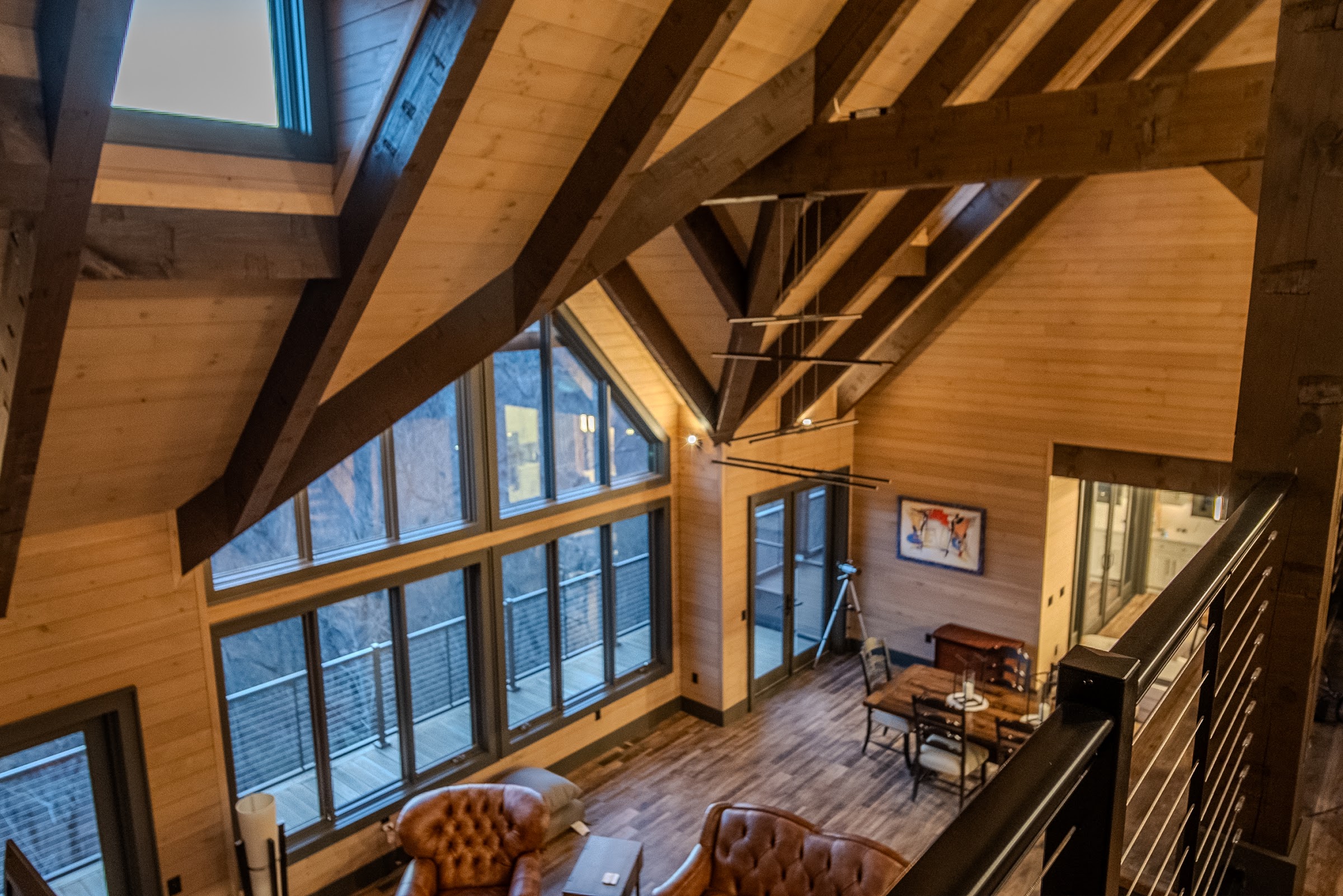

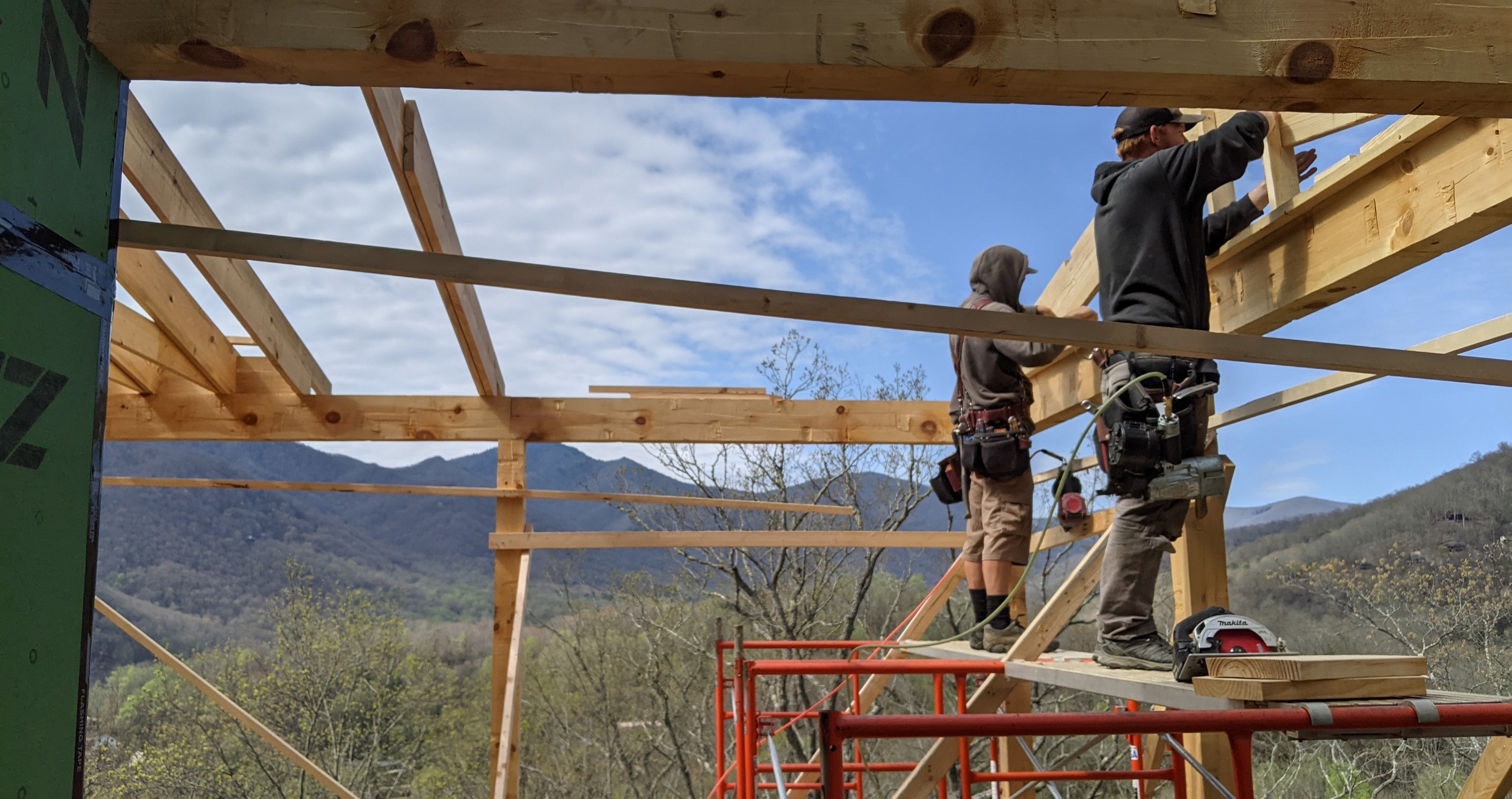
We didn't get into Passive House because it's trendy. We got into it because we believe these are the best, most comfortable, most efficient, and healthiest homes you can live in. And because I've got a young daughter now, and I'd rather spend my energy building part of the solution than just worrying about the problem.
How I got here
I've been to a lot of trade shows over the years. There's always something new getting pushed. Newest product, latest gadget, next big thing. Most of it feels gimmicky to me, or it's just something that's going to cost the client more money without actually making the house better. Fads come and go.
Passive House was different the first time I ran into it. It just made sense right away. All that extra effort up front actually pays off. It creates a better, more durable, more sustainable home. That's rare, and it's the kind of thing I can get behind. So I started digging in. Researching products, learning about Phius, reading through completed projects and case studies. The more I looked into it, the more convinced I got that this isn't a fad. This is where housing is headed. I really believe that, especially for multifamily, but we're primarily a single family builder, and I saw a real opportunity to bring this to our area.
We'd already been building a lot of these principles into our homes for a couple of years before I got certified, especially on the envelope side and with mechanical ventilation. I've got allergies, and in Western NC the seasons when you'd normally want to crack a window are usually the worst pollen seasons of the year. So the idea of a tightly sealed house with mechanical ventilation, pulling in filtered outdoor air all day without opening a window, got me excited early on. That sounds small until you're the one living with allergies in a house that actually handles it right.
When I decided to get certified, there were a couple of paths. There's a builder credential, and there's the consultant credential. Since we already run design-build, it didn't make sense to get the easier one and still have to bring in an outside consultant for the energy modeling and technical work. The consultant path was a much bigger lift. Honestly, I wasn't sure I'd pass. I applied anyway, got in, and spent close to a year in coursework, studying, and testing to become a Phius Certified Consultant (CPHC®).
What mattered to me wasn't the piece of paper. It was what it lets us do for clients. Normally, building Passive House means paying a designer, a separate consultant, a certifier, and a builder, all stacking their fees. By handling design, consulting, and building in house, we cut out a lot of that overlap. We still charge for that expertise. The work is real and it's not free. But there are no duplicate fees, no handoffs, and no paying twice for the same coordination. That makes the whole thing more affordable.
That's the core of it for me. When I first learned about Passive House, my reaction was, I want to see every house built this way, so how do we make it affordable. Streamlining design, consulting, and building into one team is one of the biggest answers we've found.
The bigger picture
Here's the part most builders don't talk about. Every home built the standard way adds strain to a grid that's already stretched thin. A Passive House uses a fraction of that energy. That means fewer power plants needed, less grid infrastructure, and less pressure on everyone's utility bill, yours included.
It also changes the math on solar. A house that barely uses energy needs far fewer panels to hit net zero, or even net positive. Do that across a whole neighborhood and you've flipped the equation. Instead of pulling from the grid, the neighborhood is feeding it. That's the vision I've got. Not one green showhome sitting by itself, but a whole street of them, quietly making the grid's job easier.
I think about this more since becoming a dad. I could spend my time worrying about what the world's going to look like for my daughter, or I could build something that moves the needle. Homes that use less energy, can generate their own, and last for decades. That's the version of doing something about it that's actually in my control.
What this means for you
I'll be honest. There are added upfront costs. Better insulation, a proper ventilation system, more attention to detail on the envelope. That stuff adds up. But it's not drastic, and the real comparison isn't luxury versus budget. It's that upfront number versus what you pay over the next 30 years. Energy costs aren't going down. Maintenance costs aren't either. A house that's built tight, managed for moisture, ventilated properly, and detailed to last doesn't just save on utility bills. It saves on the repairs and replacements that quietly drain a homeowner's wallet.
We're also not chasing architectural extravagance. We're not trying to be the builder with the biggest square footage or the flashiest finishes. Our product is performance, comfort, and durability. A house that does its job well for decades. That's a different kind of value than a bigger great room, and we think more homeowners around here are ready to weigh it that way.
Bottom line
We build high-performance homes, with Passive House at the top of the range, because they're good for the grid, good for your wallet over time, and built for families to live in for generations with little to worry about along the way. These are the homes of the future, and we'd rather build them now. If that's the kind of home you want for your family, let's talk.